

What is the difference between woven and non-woven fabrics?
Woven and non-woven fabrics are two popular types of textiles used in various industries and applications. While they serve similar purposes, there are distinct differences in their manufacturing processes, properties, and uses. In this article, we will explore the dissimilarities between woven and non-woven fabrics, shedding light on their unique characteristics and applications.
Woven Fabrics

Woven Fabrics: Traditional and Versatile
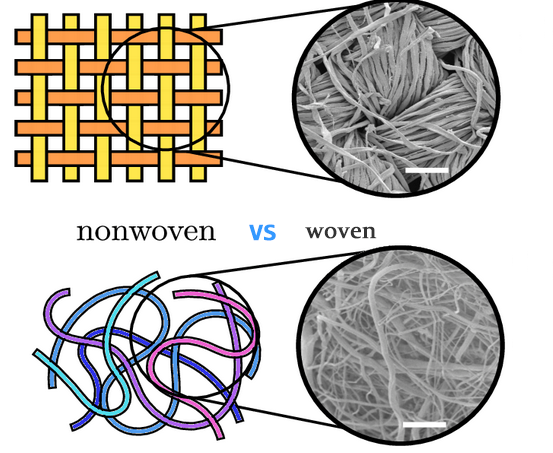
Woven fabrics have been used for centuries and are known for their strength, durability, and versatility. The production of woven fabrics involves interlacing two sets of yarns, namely the warp and weft, at right angles. This intricate weaving process creates a stable and tightly-knit fabric structure.
The Intricate Art of Weaving
Weaving is a fascinating craft that requires skill and precision. Traditional looms, both manual and mechanized, are used to interlace the warp and weft threads systematically. This process results in different weave patterns, such as plain, twill, satin, and jacquard weaves. Each weave pattern imparts unique properties and aesthetics to the woven fabric.
Properties and Benefits of Woven Fabrics
Woven fabrics offer several advantages due to their construction and properties. They are known for their exceptional strength, making them ideal for applications that require durability and resistance to tearing. Woven fabrics also have good dimensional stability, meaning they retain their shape even after extended use or laundering. Additionally, they have excellent breathability, allowing air to pass through the fabric, which enhances comfort.
Common Applications of Woven Fabrics
Woven fabrics find applications in a wide range of industries, including apparel, home textiles, automotive, and construction. Clothing items like shirts, trousers, dresses, and suits are commonly made from woven fabrics due to their versatility and aesthetic appeal. In the home textile sector, woven fabrics are used for curtains, upholstery, beddings, and towels. Furthermore, woven fabrics play a vital role in industrial applications such as filtration, geotextiles, and protective clothing.
Non-Woven Fabric

Non-Woven Fabrics: Innovative and Efficient
Non-woven fabrics, on the other hand, represent a more recent innovation in the textile industry. Unlike woven fabrics, non-woven fabrics are manufactured by bonding or interlocking fibers together using various techniques. This process eliminates the need for weaving or knitting, resulting in a different structure and set of properties.
The Evolution of Non-Woven Fabric Production
Non-woven fabric production has evolved significantly, incorporating technologies like needle punching, spun-bonding, melt-blown, and hydro-entanglement. These techniques allow for the production of non-woven fabrics with different textures, strengths, and levels of breathability. The versatility of non-woven fabrics has contributed to their growing popularity in recent years.
Properties and Advantages of Non-Woven Fabrics
Non-woven fabrics offer unique properties that make them suitable for specific applications. They are generally lightweight, soft, and have excellent moisture absorption capabilities. Non-woven fabrics can be engineered to be hydrophobic, hydrophilic, or both, depending on the desired functionality. These fabrics are often resistant to chemicals, making them suitable for filtration, medical, and hygiene applications.
Diverse Applications of Non-Woven Fabrics
The versatility of non-woven fabrics has resulted in their use across various industries. They are commonly found in medical and healthcare settings, w here they are used for surgical gowns, masks, wipes, and diapers. Non-woven fabrics also have applications in the automotive industry, serving as insulation materials and sound absorbers. In addition, they are widely used in geotextiles, agriculture, packaging, and cleaning products.
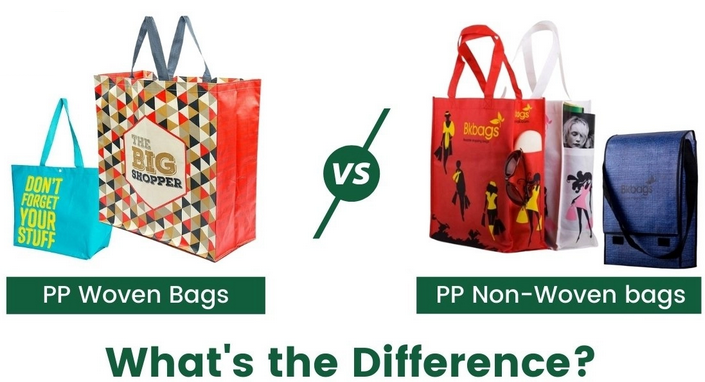
Comparison: Woven vs. Non-Woven Fabrics
The main difference between woven and nonwoven fabrics is how they are manufactured. Woven fabrics are made by interweaving threads or yarns together in a certain pattern, while nonwovens are made by bonding fibers together with heat, pressure or chemicals.
Woven fabrics are generally stronger and more durable than nonwovens and are commonly used in items such as clothing, upholstery and drapes. Nonwovens, on the other hand, are commonly used in items such as disposable diapers, medical gowns, and wipes.
When considering which fabric to use for a specific application, several factors come into play. Strength and durability are key considerations, with woven fabrics often offering higher tensile and tear strengths. On the other hand, non-woven fabrics can provide cost-effective solutions, especially for disposable or single-use products. The choice between woven and non-woven fabrics ultimately depends on the intended use, performance requirements, and budget constraints.
Applications: Which Fabric Works Best?
Woven fabrics are favored in applications where durability, strength, and aesthetics are paramount. They are commonly used in fashion, home furnishings, and heavy-duty industrial applications. Non-woven fabrics, with their lightweight nature and diverse functionality, are often preferred in disposable products, medical textiles, and industries that require efficient and cost-effective solutions.

Conclusion
In conclusion, the distinction between woven and non-woven fabrics lies in their manufacturing processes, properties, and applications. Both types of fabrics have their unique advantages and find applications in various industries. Understanding the differences between these fabrics can help individuals and industries make informed decisions when selecting the most suitable textile for their specific needs,
Woven fabrics are also more breathable than nonwovens, making them a better choice for items like clothing and bedding. Nonwovens, on the other hand, are generally more water-resistant and can be used for items such as raincoats and outdoor furniture covers. Additionally, nonwovens are generally less expensive than woven fabrics, making them a more cost-effective option for many items.
Overall, the main difference between woven and nonwoven fabrics is how they are manufactured. Woven fabrics are generally stronger and more durable, while nonwovens are usually more waterproof and less expensive. Both fabrics have pros and cons, so when choosing between the two, it's important to consider the specific needs of your item.