

Why is Polyester Spunlace the Top Choice for Industrial Wipes?
1. The Unforgiving Landscape: Defining Industrial Cleaning Requirements
Industrial environments – from bustling automotive assembly lines and precision aerospace workshops to heavy manufacturing floors and chemical processing plants – present unique and often brutal challenges for cleaning and maintenance materials. Unlike household cleaning, industrial wiping tasks frequently involve aggressive solvents, abrasive surfaces, thick greases, sharp metal shavings, critical surface preparation needs, and stringent requirements for contaminant control. The consequences of using inadequate wiping materials can range from compromised product quality and production inefficiencies to significant safety hazards and costly equipment failures.

In this demanding context, the humble wipe transforms into a critical tool. Standard paper towels disintegrate when wet or exposed to solvents. Traditional cotton rags lint heavily, posing contamination risks, and their absorbency can be inconsistent. Many lightweight nonwovens lack the necessary strength or chemical resistance. Therefore, industrial settings demand specialized industrial cleaning wipes possessing a specific constellation of properties: exceptional strength (both wet and dry), high abrasion resistance, compatibility with a wide range of chemicals and solvents, extremely low linting characteristics, durability for potentially rough use, and often, the ability to absorb oils and greases effectively.
Meeting these rigorous demands is where Polyester (PET) Spunlace nonwovens truly shine, establishing themselves as the material of choice for countless critical industrial tasks. Building on our previous comparison [ Polyester vs. Viscose Blend Spunlace], which highlighted polyester's inherent strength, this article will delve deep into the specific reasons why 100% PET spunlace is uniquely suited to excel in the unforgiving world of industrial wiping.

2. The Backbone of Performance: Material Composition and Mechanical Strength of PET Spunlace
The foundation of polyester spunlace's industrial prowess lies in the intrinsic nature of its primary component: Polyethylene Terephthalate (PET). As a synthetic polymer, PET offers inherent advantages perfectly aligned with industrial needs:
- Exceptional Fiber Strength: PET fibers boast high tenacity, meaning they resist breaking under tension. This translates directly into nonwoven fabrics with superior tensile strength, crucial for wiping tasks that involve pulling, stretching, or scrubbing.
- High Modulus: Polyester resists stretching, providing dimensional stability. Industrial wipes made from PET spunlace won't easily distort or sag, even when saturated with liquids or used vigorously.
-
Inherent Wet Strength: Unlike cellulosic fibers (like viscose or cotton) which significantly weaken when wet, PET fibers retain virtually all their strength upon saturation. This is critical for tasks involving solvents, water-based cleaners, or wiping wet surfaces without the material disintegrating.
-
Hydrophobic Nature: PET fibers naturally repel water. While this means limited water absorbency (liquid is primarily held mechanically within the fabric structure), it also means the fibers themselves aren't weakened by water and the fabric dries quickly. More importantly for industrial use, this non-absorbency towards water often correlates with better compatibility with organic solvents and oils.
The spunlace (hydroentanglement) process further enhances these properties for industrial applications. By using high-pressure water jets to physically entangle the strong PET staple fibers, a cohesive and robust fabric is formed without chemical binders. This is vital because binders can:
- Leach out when exposed to certain solvents, contaminating surfaces.
- React negatively with specific industrial chemicals.
- Weaken the overall structure.
The binder-free nature of PET spunlace ensures chemical purity and structural integrity, making it a reliable choice for sensitive industrial processes. The entanglement process itself creates a fabric that is typically uniform and less prone to snagging than traditional textiles.
3. Key Performance Indicators (KPIs): Measuring Up to Industrial Demands
To be considered a top-tier industrial cleaning wipe, a material must excel across several critical performance metrics. Polyester spunlace consistently delivers high marks in these areas:
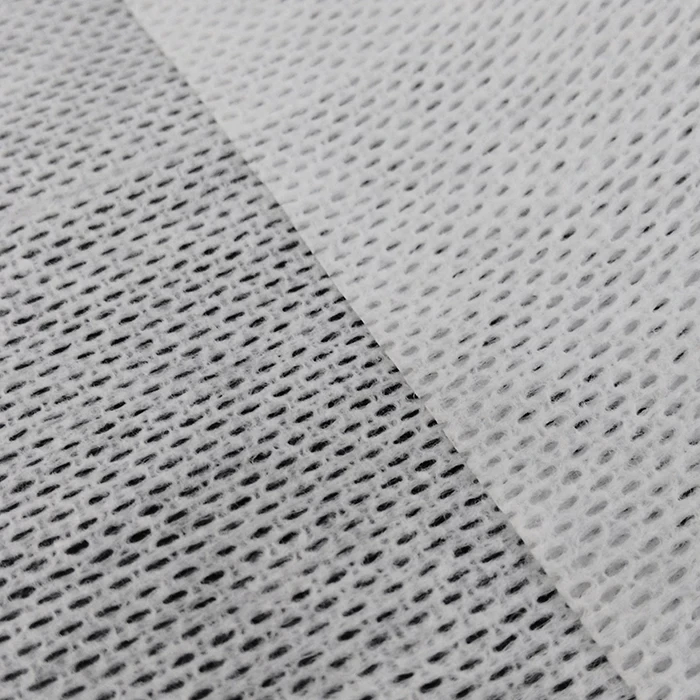
- Abrasion Resistance: Industrial wiping often involves rough, uneven, or sharp surfaces (metal castings, machinery, composite materials). Wipes must withstand significant friction without shredding, tearing, or excessive fiber release. PET's inherent toughness and the secure entanglement from the spunlace process give 100% PET spunlace excellent abrasion resistance. Standardized tests like the Taber Abrasion test (ASTM D3884) or Martindale Abrasion test (ISO 12947-2) quantify this property, and PET nonwovens generally achieve high cycle counts before breakdown, significantly outperforming many blends or cellulosic materials. This ensures the wipe completes the task effectively without leaving behind unwanted debris.
- Chemical and Solvent Resistance: This is arguably one of PET spunlace's most significant advantages in industrial settings. Manufacturing, maintenance, and cleaning processes frequently involve exposure to a wide array of chemicals, including:.
- Alcohols (Isopropanol, Ethanol)
- Ketones (Acetone, MEK - Methyl Ethyl Ketone)
- Hydrocarbons (Mineral Spirits, Kerosene, Oils, Greases)
- Chlorinated Solvents (with varying degrees of compatibility)
- Certain Acids and Bases Polyester exhibits good to excellent resistance to most of these common industrial fluids. Unlike cellulose-based materials which can swell, weaken, or disintegrate in the presence of many solvents, PET spunlace maintains its structural integrity and strength, allowing for effective cleaning and surface preparation without wipe failure. Compatibility charts are often available from manufacturers, but testing with specific chemicals used in a process is always recommended.
-
Low Lint and Contaminant Control: In numerous industrial applications, particularly surface preparation before painting, coating, sealing, or in the assembly of sensitive components, particulate contamination is disastrous. Lint shed from wipes can cause paint defects (fisheyes, inclusions), adhesive failures, or malfunction in precision equipment. 100% PET spunlace, especially when made with appropriate fiber lengths and optimized hydroentanglement, is inherently low-linting. The strong, continuous nature of the entanglement minimizes loose fiber release compared to cut rags or weaker nonwovens. For highly critical applications, specialized low-lint or "lint-free" grades are available, often tested using methods like the Helmke Drum test (IEST-RP-CC004.3) to quantify particle generation. (While standard industrial wipes offer low linting, the ultra-stringent requirements of electronics and semiconductor cleanrooms demand even more specialized materials, which we will explore in Topic 3 of this series.)
-
Heat Resistance: While not designed for extreme heat, PET has a relatively high melting point (around 260°C or 500°F) compared to other common polyolefins like polypropylene (around 160-170°C). This gives PET spunlace wipes a degree of tolerance for wiping moderately hot surfaces or tools, offering a wider operating window than some alternatives. However, direct contact with very high-temperature surfaces should still be avoided.
4. Real-World Performance: Examples in Aviation, Automotive, and Manufacturing
The theoretical advantages of PET spunlace translate directly into tangible benefits across key industrial sectors:
Aviation & Aerospace:
Maintaining aircraft involves rigorous cleaning and surface preparation protocols where performance and safety are non-negotiable.
- Applications: Wiping down composite or aluminum fuselage sections with solvents prior to sealing or painting; cleaning engine components and nacelles (requiring strength and resistance to hydraulic fluids/oils); lint-free wiping of sensitive avionics interfaces; applying and removing sealants.
- Benefits: PET spunlace provides the necessary solvent resistance, high strength (even when wet with MEK or similar aggressive cleaners), durability to handle riveted surfaces, and critical low-linting properties to prevent contamination in paint or bonding processes.
Automotive:
From manufacturing to maintenance, clean surfaces are essential for quality and performance.
- Applications: Critical surface preparation wiping before painting (tack cloths often use a nonwoven base); cleaning metal stampings or engine parts covered in grease and oils; wiping down interiors during assembly; applying solvents or adhesives; general maintenance tasks in repair shops.
- Benefits: Low-lint performance is crucial for Class-A paint finishes. Strength and abrasion resistance allow effective cleaning of metal parts. Chemical resistance ensures compatibility with automotive fluids and cleaners. Reusable spunlace nonwoven options can offer cost savings in high-volume maintenance settings.
General Manufacturing & Machining:
Diverse needs require versatile and robust wiping solutions.
- Applications: Cleaning machined parts to remove cutting fluids, oils, and metal fines; wiping down production machinery during maintenance; preparing surfaces for bonding or coating; heavy-duty degreasing tasks; general workshop cleanup.
- Benefits: High strength and abrasion resistance withstand contact with metal burrs or rough castings. Good compatibility with coolants and lubricants allows effective removal without wipe degradation. The ability to trap and hold oils (even if not truly absorbing them in the fiber) aids in cleanup. Durability supports vigorous scrubbing actions.

5. Cost Efficiency: The Reusability Factor
While PET spunlace might sometimes have a slightly higher initial purchase price per wipe compared to very low-cost paper or basic nonwoven options, its overall cost-effectiveness often proves superior in industrial contexts, particularly when considering reusability.
- Durability Reduces Consumption: The high strength and abrasion resistance mean fewer wipes are needed to complete a task compared to weaker materials that tear or shred easily. One PET spunlace wipe might do the job of several paper towels.
- Potential for Reuse: Unlike paper or flimsy nonwovens, robust 100% PET spunlace wipes can often be rinsed and reused multiple times for certain tasks, especially when dealing with less hazardous contaminants or using compatible cleaning solutions. This concept of reusable spunlace nonwoven wipes significantly lowers the cost-per-use. Factors influencing reusability include:
- The nature of the contaminant (heavy grease vs. light solvent).
- The cleaning/rinsing method available.
- Cross-contamination risks for the specific application
- Reduced Waste: Using fewer wipes and potentially reusing them leads to a significant reduction in waste volume and associated disposal costs, which can be substantial for industrial facilities.
Comparison with Rags: While traditional laundered rags offer reusability, they come with drawbacks: inconsistent quality and absorbency, high linting potential, and the ongoing cost and environmental impact of industrial laundering (water, energy, detergents, transport). High-quality, potentially reusable spunlace nonwoven wipes offer a more consistent, lower-linting alternative.
6. Maintaining Standards in Controlled Industrial Environments:
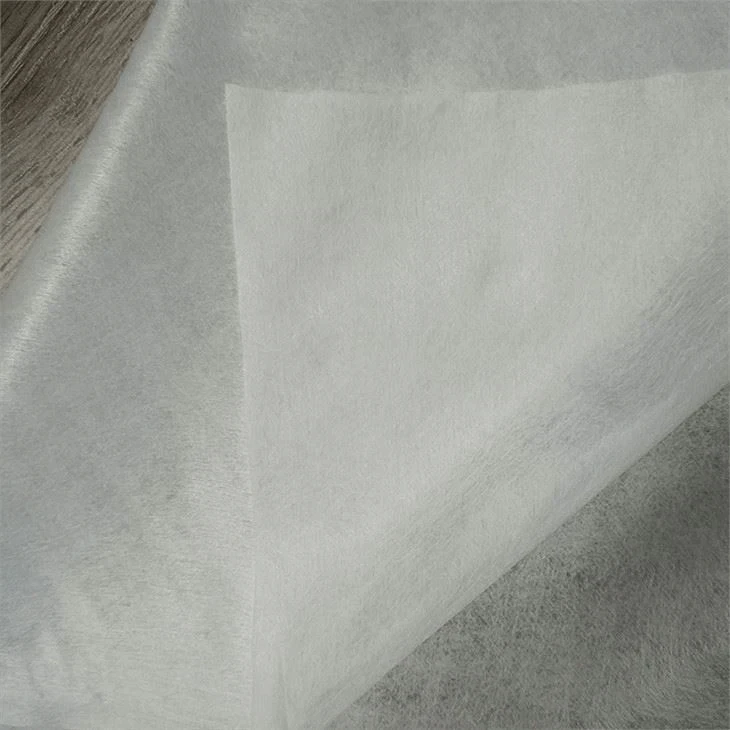
While not meeting the extreme purity levels of semiconductor cleanrooms (covered in Topic 3), many industrial settings require controlled environments to ensure product quality. This includes areas like automotive paint booths, medical device assembly (non-sterile components), food processing proximity areas, and printing operations.
In these controlled environments, preventing contamination is key. PET spunlace contributes significantly by:
- Minimizing Particle Generation: Its low-linting nature prevents the wipes themselves from becoming a major source of airborne or surface contamination.
- Ensuring Clean Removal: Strong, durable wipes effectively remove contaminants without leaving behind pieces of the wipe material.
- Preventing Cross-Contamination: Single-use or task-specific reusable wipes help prevent the spread of contaminants compared to using potentially dirty rags across different areas or processes.
Using high-quality PET spunlace wipes as part of a controlled cleaning protocol helps manufacturers meet internal quality standards and industry-specific cleanliness requirements.
7. Custom Options Tailored for Industrial Needs
The versatility of PET spunlace is further enhanced by the ability to customize it for specific industrial demands, a topic we'll explore fully in Topic 5. Key customizable options relevant here include:
- Basis Weight (GSM): Heavier weights (e.g., 60gsm to 100gsm or more) provide increased bulk, durability, and fluid-holding capacity for heavy-duty tasks. Lighter weights might suffice for less demanding cleaning.
- Embossing Patterns: Specific patterns (e.g., deep mesh, aperture) can be applied during or after the spunlace process to enhance scrubbing power, improve the ability to trap debris, or increase surface area.
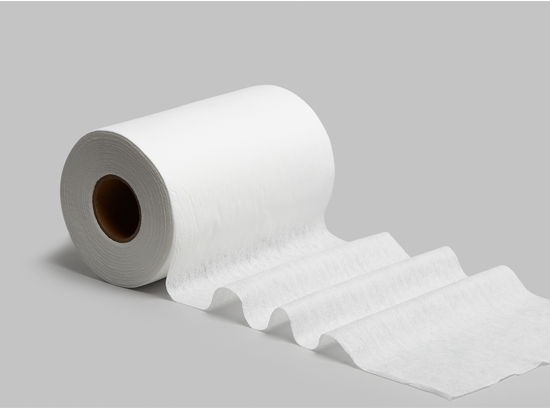
- Sheet Size and Format: Wipes can be supplied in custom-cut flat sheets, perforated rolls, or folded configurations (e.g., quarter-fold, center-pull) to suit specific dispensing systems and user preferences on the factory floor.
- Color: While often white, PET spunlace can be produced in colors (e.g., blue is common in workshops) to help differentiate wipe types for specific tasks or areas, reducing the risk of using the wrong wipe (e.g., using a solvent wipe on a sensitive surface).
Working with a manufacturer offering these custom spunlace fabric options allows industrial users to procure wipes perfectly optimized for their unique processes and challenges.
8. Certifications and Testing Standards: Verifying Industrial Performance
While specific industrial cleaning wipe certifications are less standardized than medical or food contact ones, verifying performance through testing and supplier quality systems is important:
- Performance Testing: Reputable manufacturers can often provide data from standardized tests relevant to industrial use, such as:
- Abrasion resistance (Taber, Martindale).
- Tensile strength (ASTM D5034/D5035).
- Particle generation/linting tests (IEST recommended practices).
- Absorbency tests (though interpretation needs care for hydrophobic PET).
- Solvent compatibility testing (specific to key industrial chemicals).
- Quality Management: ISO 9001 certification for the manufacturer provides assurance of consistent production processes and quality control.
- Traceability: Lot traceability helps in quality investigations if issues arise.
Buyers should inquire about the testing performed and the quality systems in place to ensure the wipes consistently meet the required performance levels.
9. Summary and Industry Feedback: The Verdict on PET Spunlace
The case for 100% Polyester Spunlace in industrial wiping is compelling. Its inherent material properties, enhanced by the binder-free spunlace process, deliver a unique combination of:
- Unmatched Strength and Durability: Withstands rigorous use, wet or dry.
- Superior Abrasion Resistance: Handles rough surfaces without disintegrating.
- Excellent Chemical & Solvent Compatibility: Maintains integrity when used with common industrial fluids.
- Critical Low-Lint Performance: Minimizes particulate contamination for quality-sensitive processes.
- Potential for Cost-Saving Reusability: Offers lower TCO in many applications.
Industry feedback often reflects these advantages. Maintenance managers might praise the durability: "These PET spunlace wipes last so much longer than paper on greasy machinery." Quality control engineers in automotive plants often value the cleanliness: "Switching to these low-lint polyester wipes significantly reduced defects in our paint prep process." Aerospace technicians rely on the chemical resistance: "We need wipes that won't fall apart when using aggressive cleaning solvents, and PET spunlace delivers."
10. Conclusion: The Industrial Workhorse
For the demanding, diverse, and often harsh conditions found in industrial environments, 100% Polyester Spunlace nonwoven fabric has proven itself to be more than just a wipe – it's a reliable, high-performance tool. Its unique synergy of strength, chemical resistance, durability, and low-linting properties addresses the core requirements of industrial cleaning and surface preparation in sectors ranging from automotive and aviation to heavy manufacturing and precision engineering. While blends have their place for absorbency, the uncompromising performance profile of PET spunlace, coupled with the potential for reusability and customization, makes it the top choice where toughness and cleanliness are paramount.