

How to Assess the Quality and Effectiveness of Color Catcher Cloth
Introduction: Why Choosing Quality Color Catcher Cloth is Crucial
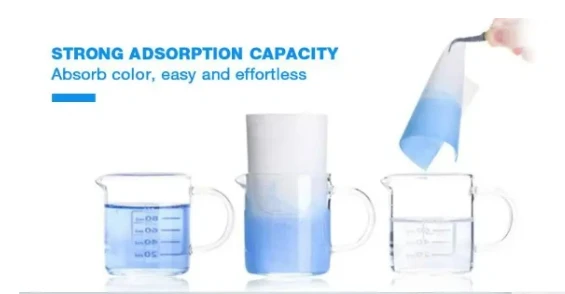
Color catcher cloths have become increasingly popular in modern laundry, effectively preventing dye transfer and protecting clothes from being stained by garments of different colors. However, the market is flooded with color catcher cloths of varying quality, making it essential to choose an efficient product that ensures vibrant colors and prevents irreversible damage to laundry.
A high-quality color catcher cloth can not only save laundry time but also effectively prevent clothes from being stained by dye. In this article, we will explore how to assess the quality of color catcher cloths through aspects such as materials, absorption capacity, and user experience, incorporating ChenYang Nonwoven products to help you make informed choices.
How Color Catcher Cloth Works
The primary function of color catcher cloth is to absorb free dye molecules released during washing, preventing these dyes from transferring to other garments. Color catcher cloths are typically made from chemically treated nonwoven fabric, which possesses charged fibers that can effectively attract negatively charged dye molecules. High-quality color catcher cloths should perform well in both cold and hot water, and they should be durable enough to handle multiple washes.

So, what factors determine the quality of color catcher cloths? Let's analyze several key aspects.
1. Material and Manufacturing Process
The quality of color catcher cloth largely depends on the materials used. High-quality cloths usually utilize nonwoven fabrics, which are lightweight, durable, and have excellent absorption capabilities.
Advantages of Nonwoven Fabric: A quality color catcher cloth should be made from high-density, durable nonwoven fabric. This type of material features tightly woven fibers that better absorb dyes, preventing them from transferring to other garments. For instance, ChenYang Nonwoven's color catcher cloth uses high-quality nonwoven materials to ensure effective color catching across different washing conditions.
Thickness and Durability: The thickness of the color catcher cloth is also a crucial factor. Thicker cloths generally have stronger absorption capabilities, which are essential when washing large volumes of deep-colored garments.
2. Absorption Capacity: A Key Performance Indicator
The absorption capacity is a core standard for evaluating the quality of color catcher cloths. High-quality cloths should possess significant absorption capabilities, effectively capturing a large amount of dye released during a wash to prevent color transfer.
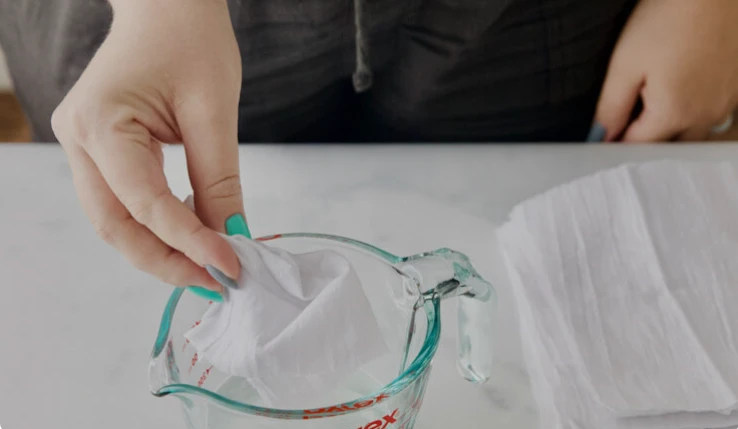
Disposable vs. Reusable: Some color catcher cloths are disposable, while others are designed for multiple uses. A quality color catcher cloth should maintain its absorption capacity over multiple washes. For example, ChenYang Nonwoven's color catcher cloth not only has a high absorption capacity but also retains its effectiveness after repeated use, ensuring maximum protection with each wash.
Handling High Laundry Loads: When washing large loads or items with intense colors, the absorption capacity of the cloth is particularly crucial. A quality color catcher cloth should absorb a significant amount of dye without becoming saturated and ineffective.
3. Water Temperature Compatibility
Different water temperatures can impact dye release and absorption efficacy. A high-quality color catcher cloth should perform effectively in both cold and hot water.
Performance in Cold Water: Many people prefer washing in cold water to save energy or protect their clothes. A good color catcher cloth should effectively absorb dyes in cold water.
Performance in Hot Water: Hot water washes typically release more dye; thus, the cloth's performance under these conditions is vital. The cloth should possess strong absorption capabilities to manage high dye concentrations released during hot washes.
Products like ChenYang Nonwoven's color catcher cloth exhibit broad water temperature compatibility, functioning efficiently in both cold and hot water to meet diverse laundry needs.
4. How to Test the Effectiveness of Color Catcher Cloths
A straightforward way to evaluate a color catcher cloth's effectiveness is through practical laundry tests. Here are a couple of testing methods:
Test 1: Mixed Wash Test
Select one dark-colored garment and one light-colored garment, placing them together in the washing machine.
Add a color catcher cloth and run the wash cycle normally.
Observe whether the light-colored garment shows any dye stains.
If the light garment remains stain-free, the color catcher cloth is deemed effective.
Test 2: Basin Test
Soak a new dark garment in either cold or hot water.
Add a color catcher cloth and let it sit for 30 minutes.
Check the color catcher cloth for any dye absorption evidence.
If the cloth shows significant discoloration, it indicates strong absorption capabilities.
5. User Reviews and Brand Recommendations
User reviews are vital for assessing the quality of color catcher cloths. Real consumer feedback provides insights into the actual performance of different products.
Mixed Wash Performance Feedback: Many users highlight how well color catcher cloths perform in mixed washes. A good cloth should effectively prevent color transfer and keep garments clean.
Reusable Feedback: High-quality color catcher cloths can be used multiple times, and users often emphasize their durability and effectiveness after repeated use. Feedback on durability is crucial when selecting a cloth.
Brand Reliability: Opting for reputable brands, such as ChenYang Nonwoven, which have extensive experience in the color catcher cloth market, can help ensure you choose a product that receives widespread positive feedback and trust.
6. Price and Cost-Effectiveness
The price of color catcher cloths can vary based on brand, material, and functionality, but the price is not always an absolute indicator of quality.
Disposable vs. Reusable Comparison: Reusable color catcher cloths typically have a higher upfront cost but may save you money in the long run. Disposable cloths may be cheaper, but their long-term use costs can add up.
Bulk Purchase Discounts: Some brands offer discounts for bulk purchases, providing a price advantage. For households that frequently use color catcher cloths, bulk buying can be a cost-effective solution.
7. Common Misconceptions About Color Catcher Cloths
Many people harbor misconceptions about using color catcher cloths, and understanding these can help optimize their use.
Misconception 1: Color Catcher Cloths Can Only Be Used with New Garments
Reality: Even old garments can release small amounts of dye during each wash. Therefore, color catcher cloths can effectively prevent color transfer regardless of whether the clothes are new or old.
Misconception 2: Color Catcher Cloths Are Only Effective in Hot Water
Reality: High-quality color catcher cloths perform well in cold water too. For example, ChenYang Nonwoven's color catcher cloth maintains high absorption capacity across different water temperatures.
Misconception 3: One Color Catcher Cloth Suffices for Any Laundry Load
Reality: For larger or heavily dyed laundry loads, multiple cloths may be necessary to achieve optimal results.
8. Alternative Solutions for Dye Transfer Prevention
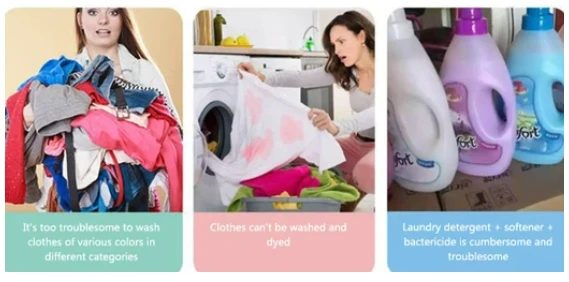
While color catcher cloths are the preferred choice for preventing dye transfer, there are alternative solutions:
Vinegar or Salt: Some households use vinegar or salt to set dyes in clothing, but their effectiveness can be inconsistent.
Specialty Laundry Detergents: Certain detergents are designed specifically to prevent dye transfer, though their performance may not match that of color catcher cloths.
Traditional Sorting Methods: Sorting clothes by color is a common practice, but using color catcher cloths allows for mixed washing without worrying about color transfer.
Conclusion: How to Choose the Right Color Catcher Cloth
In summary, assessing the quality and effectiveness of color catcher cloths requires a comprehensive evaluation of materials, absorption capacity, durability, and water temperature compatibility. For consumers, selecting a trusted brand, like ChenYang Nonwoven's color catcher cloth, can help you effectively manage dye transfer issues during laundry, protecting your garments from staining.
When purchasing your next color catcher cloth, be sure to examine the product's material and user reviews to ensure you select a high-performing, cost-effective cloth that provides the best protection for your laundry.
If you have any questions or suggestions, you can contact us and our team of professional awards will answer your questions.