

How Automatic Blanket Cleaning Cloths Minimize Downtime in Offset Printing
In the fast-paced world of offset printing, where efficiency and accuracy are paramount, minimizing production interruptions while maintaining high print quality is a top priority. Automatic blanket cleaning cloths have become an important tool in achieving these goals. How do these specialized printing ink cleaning cloths play a key role in optimizing operational efficiency and ensuring consistent print quality?

The Role of Blanket Cleaning in Offset Printing
Offset printing relies on a delicate balance of ink and water distribution to create sharp, vibrant images. The printing blanket, a critical component, transfers ink from the printing plate to the substrate. Over time, blankets accumulate ink, dust, and paper debris, which can compromise print quality and lead to defects such as streaks, smudges, and uneven coloration.
Traditional manual cleaning methods require halting production, resulting in increased downtime and labor costs. This is where automatic blanket cleaning cloths come into play, offering an innovative solution to enhance efficiency without sacrificing quality.
What Are Automatic Blanket Cleaning Cloths?
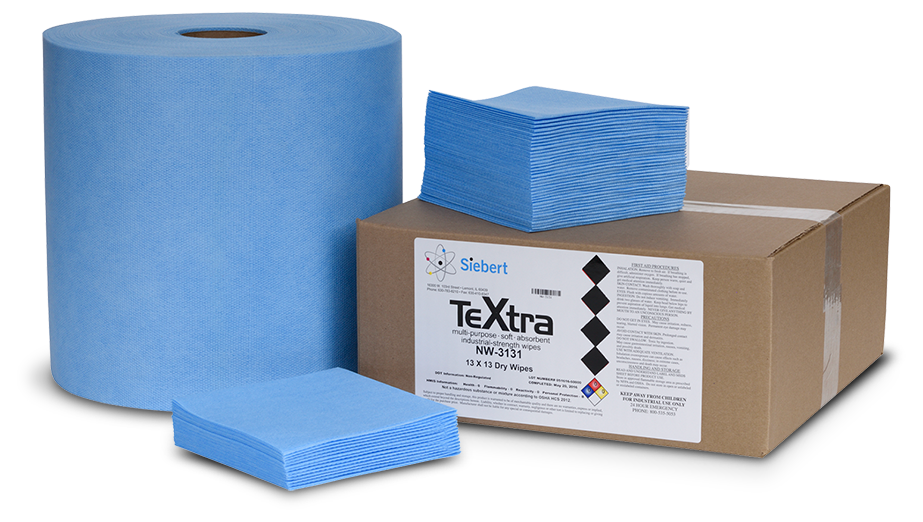
Automatic blanket cleaning cloths are pre-saturated or dry nonwoven fabrics designed to work with automated cleaning systems in printing presses. These cloths are engineered to remove contaminants effectively while being gentle on the blanket surface, ensuring longevity and consistent performance.
Key Features:
High Absorbency: Specialized fibers quickly absorb ink and debris.
Durability: Designed to withstand high-speed cleaning cycles without tearing.
Eco-Friendly Options: Many variants use biodegradable materials to reduce environmental impact.
Custom Sizing: Tailored to fit specific press models for optimal compatibility.
Benefits of Automatic Blanket Cleaning Cloths
1. Minimized Downtime
Automated cleaning systems equipped with these cloths significantly reduce the time required for maintenance. Traditional cleaning methods can take up to 30 minutes per cycle, while automated systems complete the task in under 5 minutes. This reduction enhances productivity and allows for more frequent cleaning without disrupting operations.
2. Consistent Print Quality
Regular cleaning ensures that blankets maintain their optimal ink transfer capability. This prevents defects, reduces waste, and maintains consistency across large print runs, meeting the high standards required in industries such as publishing, packaging, and advertising.
3. Cost Efficiency
While the initial investment in automatic systems and specialized cloths may seem high, the long-term benefits outweigh the costs. Reduced labor expenses, lower waste rates, and extended equipment lifespan contribute to significant savings.
4. Enhanced Worker Safety
Automating the cleaning process reduces direct handling of cleaning agents and solvents, minimizing exposure to harmful chemicals and improving workplace safety.
Technological Advancements in Cleaning Cloths
The evolution of nonwoven fabric technology has greatly influenced the effectiveness of blanket cleaning cloths. Modern cloths incorporate advanced features to meet the specific demands of offset printing:
Nanotechnology Coatings: Improve ink absorption and debris capture.
Multi-Layered Designs: Separate debris from the cleaning surface, enhancing efficiency.
Pre-Saturated Options: Infused with solvents for faster and more effective cleaning.
Applications Across Printing Sectors
1. Commercial Printing
High-speed commercial presses benefit immensely from automated cleaning systems. With print runs often exceeding tens of thousands of copies, maintaining consistent quality is critical. Automatic blanket cleaning cloths ensure seamless operations and reduce material waste.
2. Packaging
In packaging, vibrant and precise colors are essential for branding. Regular blanket cleaning prevents color shifts and ensures the substrate's aesthetic appeal, enhancing brand value.
3. Newspaper Production
The tight deadlines in newspaper printing demand minimal interruptions. Automatic systems with specialized cloths allow for quick clean-ups, enabling continuous operations and timely deliveries.
The Environmental Perspective
The printing industry has made significant strides toward sustainability, and automatic blanket cleaning cloths contribute to this shift:
Biodegradable Materials: Many cloths are now made from sustainable fibers, reducing landfill waste.
Waterless Cleaning: Pre-saturated options eliminate the need for excessive water usage.
Solvent Reduction: Advanced cloths use eco-friendly cleaning agents that lower volatile organic compound (VOC) emissions.
Industry Insights: Market Trends and Statistics
Global Market Growth
The market for automatic blanket cleaning systems and cloths is projected to grow at a CAGR of 6.5% between 2023 and 2030, driven by increasing demand for efficiency and sustainability in printing operations.
Adoption Rates
According to industry reports:
75% of commercial printing facilities in North America have adopted automated cleaning systems.
60% of packaging companies in Europe now use eco-friendly cleaning cloths.
Cost Savings
A study revealed that companies implementing automatic cleaning solutions experienced a 20% reduction in maintenance costs and a 15% increase in production capacity within the first year of adoption.
Marketing Insights for Suppliers

For suppliers and manufacturers of automatic blanket cleaning cloths, effective marketing strategies are essential to capture the growing demand:
Highlight Efficiency Gains: Demonstrate how these cloths reduce downtime and enhance productivity.
Sustainability Messaging: Promote eco-friendly product lines to appeal to environmentally conscious customers.
Tailored Solutions: Offer customizable options for different press types to expand market reach.
Educational Content: Publish case studies and guides to showcase real-world benefits and best practices.
The Future of Offset Printing Maintenance
As the printing industry evolves, the role of automation and innovation in maintenance processes will become increasingly significant. Automatic blanket cleaning cloths are just one example of how technology is transforming traditional practices, offering tangible benefits in quality, efficiency, and sustainability.
Conclusion
Automatic blanket cleaning cloths are revolutionizing offset printing maintenance by combining efficiency, quality, and environmental responsibility. Their adoption not only addresses the challenges of modern printing operations but also paves the way for a more sustainable and productive future. As industries continue to prioritize automation and innovation, these specialized cleaning solutions will remain at the forefront, ensuring that offset printing maintains its competitive edge in a digital-driven world.