

Disposable Face Towels Wholesaler: Safe for Daily Use?
I. Introduction: The Rise of Disposable Face Towels in Skincare
The modern skincare landscape, particularly in Europe and the United States, is undergoing a remarkable transformation. Consumers are increasingly prioritizing hygiene, convenience, and efficacy in their daily routines, leading to a surge in demand for single-use beauty products. This shift is not merely a fleeting trend but a reflection of a deeper understanding of skin health and a desire for products that deliver tangible benefits without compromise. For businesses in the beauty and personal care sector, partnering with a knowledgeable disposable face towels wholesaler has become a pivotal strategy to meet this burgeoning demand. These specialized suppliers are instrumental in bringing innovative and hygienic facial care solutions to a discerning market.

II. What Are Disposable Cloths for Face Made From? The Material Science of Gentle Efficacy
When considering disposable cloths for face, the material composition is paramount. It dictates everything from softness and absorbency to strength and skin compatibility. The unsung hero behind most high-quality disposable face towels is spunlace nonwoven fabric, a material engineered for exceptional performance in skincare.
Spunlace technology uses high-pressure water jets to entangle fibers, creating a strong, soft, and absorbent fabric without the need for chemical binders that could potentially irritate the skin. This makes it an ideal choice for products designed for direct facial contact. Common fibers used in these nonwovens include:
- Viscose (Rayon): Derived from cellulose (often wood pulp), viscose is prized for its cotton-like softness and excellent absorbency. It's naturally hydrophilic, meaning it readily attracts and holds water.
- Polyester (PET): A synthetic fiber known for its strength, durability, and quick-drying properties. While not inherently absorbent of water, its structure in a spunlace fabric can still hold liquids. As we explored in a previous discussion on polyester spunlace for beauty applications, innovations in fiber technology mean polyester can also contribute to a soft feel.
- Cotton: A natural fiber renowned for its softness and absorbency, sometimes incorporated into blends.
- Bamboo: Increasingly popular for its perceived eco-friendliness and soft texture, often processed into a form of viscose.
Often, the most effective disposable cloths for face utilize a blend of fibers, most commonly polyester and viscose. This strategic combination leverages the best of both worlds: polyester provides strength, integrity (especially when wet), and helps the wipe maintain its structure, while viscose imparts superior softness and high absorbency. The ratio of this blend can be customized by a skilled disposable face towels wholesaler or manufacturer to achieve specific performance characteristics desired by a brand.
Critically, these materials are engineered to be:
- Hypoallergenic: Made from fibers and processes that minimize the risk of allergic reactions.
- Lint-Free: High-quality spunlace production ensures minimal fiber shedding, preventing pilling on the skin or leaving residues.
- Chemical-Free (or Low Chemical Residue): The spunlace process avoids harsh binders, and reputable manufacturers ensure fibers are free from harmful processing chemicals, often validated by certifications like OEKO-TEX®.
These skin-friendly properties are non-negotiable for facial care, and a reliable disposable face towels wholesaler will always prioritize materials that meet these exacting standards, offering a safe and gentle experience for the end-user.
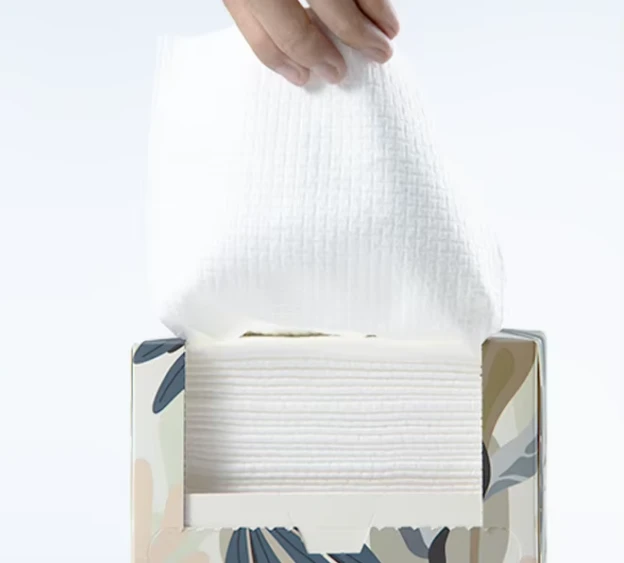
III. Are Disposable Face Wash Cloths Effective for Daily Use? A Modern Approach to Cleansing
The question often arises: how do disposable face wash cloths stack up against their traditional reusable counterparts, like cotton washcloths, for daily cleansing routines? The comparison reveals several key advantages for the single-use option.
- Hygiene Superiority: Traditional washcloths, when left damp in a bathroom environment, can quickly become breeding grounds for bacteria, mold, and mildew. Reusing such a cloth can reintroduce these microbes to the skin, potentially exacerbating acne, causing irritation, or even leading to infections. Disposable face wash cloths offer a pristine, hygienic surface for every cleanse, eliminating this risk entirely. This is a significant benefit, especially for individuals with sensitive, acne-prone, or compromised skin.
-
Performance in Cleansing and Exfoliation: High-quality disposable face wash cloths are designed for efficacy. Their texture, often subtly enhanced through embossing, can provide a gentle exfoliating action, helping to remove dead skin cells and impurities more effectively than a smooth cloth might. They work synergistically with cleansers to break down makeup, oil, and grime. The strength of materials like polyester-viscose blends ensures the cloth doesn't fall apart during use, allowing for a thorough cleanse.
-
Effectiveness in Removing Makeup: The structure and material blend of these cloths make them highly effective at lifting and trapping makeup residues, including stubborn waterproof formulations, often requiring less rubbing and irritation than might be needed with other methods.
However, the conversation around disposable face wash cloths must also address the environmental impact. Being single-use items, concerns about waste generation are valid. This is where the role of a conscientious disposable face towels wholesaler and innovative manufacturing comes into play:
- Material Sourcing: Prioritizing fibers from sustainable sources (e.g., FSC-certified pulp for viscose, or exploring recycled polyester options).
- Biodegradability: While polyester is not biodegradable, viscose and other plant-based fibers are. Many brands and their wholesale disposable face towel factories are increasingly focused on developing products with higher percentages of biodegradable materials or exploring fully biodegradable nonwoven alternatives.
- Consumer Education: Encouraging proper disposal and highlighting products made with more sustainable materials.
While the environmental aspect requires ongoing innovation and responsible choices, the functional and hygienic benefits of disposable face wash cloths for daily use are compelling for a growing number of consumers.
IV. Absorbency & Texture: How Do Disposable Face Drying Towels Perform?
After cleansing, the drying step is equally crucial for maintaining skin health. Rubbing the face vigorously with a rough, traditional towel can cause irritation, micro-tears, and can stretch delicate skin. Disposable face drying towels offer a superior alternative by focusing on rapid absorption and gentle contact.
- Rapid Water Absorption and Friction Prevention: The primary function of a disposable face drying towel is to absorb water quickly and completely from the skin's surface with minimal friction. High-quality spunlace materials, especially those with a significant viscose component, excel at this. They act like a sponge, wicking moisture away efficiently. This means less rubbing is required; a gentle patting motion is often sufficient, which is much kinder to the skin and helps maintain its barrier integrity.
- The Importance of GSM (Grams per Square Meter): The GSM of the nonwoven fabric plays a critical role in the performance of disposable face drying towels.

- A higher GSM (e.g., 50-70gsm) generally translates to a thicker, plusher towel with greater absorbency and a more luxurious feel. These are ideal for a spa-like experience and for those who prefer a more substantial towel.
- A lower GSM (e.g., 35-50gsm) will result in a lighter, thinner towel, which can still be highly absorbent but may feel less cushioned. These can be more economical and suitable for travel or daily quick drying. A knowledgeable disposable face towels wholesaler can guide brands in selecting the optimal GSM to balance performance, desired hand-feel, and cost.
- Texture and Softness: While absorbency is key, the texture of a disposable face drying towel must be impeccably soft to avoid irritating freshly cleansed skin. Modern spunlace production techniques, even with blends including polyester, can achieve remarkable softness. Some towels may feature a subtle embossing pattern (e.g., pearl or dot) to enhance perceived softness and create small pockets that aid in water trapping.
- Dermatologist Recommendations: Many dermatologists recommend single-use towels, especially for clients with sensitive skin, eczema, rosacea, or acne. The rationale is clear: eliminating the risk of bacteria transfer from a reusable towel can significantly improve skin health and reduce flare-ups. They often advise patting the skin dry rather than rubbing, a practice for which soft, absorbent disposable face drying towels are perfectly suited.
Ultimately, high-performing disposable face drying towels offer a hygienic, gentle, and effective way to complete the cleansing routine, minimizing irritation and supporting overall skin wellness. When sourcing these, partnering with a disposable face towels wholesaler who understands the nuances of GSM, fiber blends, and skin-friendly finishes is essential.
V. How to Choose a Reliable Disposable Face Towels Wholesaler: A Buyer's Checklist
Selecting the right disposable face towels wholesaler is a critical decision that can significantly impact your brand's reputation, product quality, and supply chain reliability. For businesses looking to source these products, especially in bulk, navigating the options requires due diligence. Here's a practical checklist of questions to ask and factors to consider:
Product Quality and Material Sourcing:
-
What specific fibers are used in your disposable face towels (e.g., viscose, polyester, cotton, bamboo, blends)? What are the typical blend ratios?
-
Where are these raw materials sourced? Can you provide information on the sustainability or traceability of these fibers (e.g., FSC-certified pulp for viscose)?
-
What manufacturing process is used (e.g., spunlace)? Are chemical binders avoided?
-
Can you provide detailed product specifications (GSM, thickness, absorbency rates, tensile strength)?
Certifications and Compliance:
-
Do your products or manufacturing facilities hold relevant certifications (e.g., OEKO-TEX® Standard 100 for chemical safety, ISO 9001 for quality management, ISO 13485 if catering to medical-grade hygiene)?
-
Can you provide documentation to verify these certifications?
-
Do your products comply with regional regulations for cosmetics or skin contact materials (e.g., EU cosmetic regulations, FDA guidelines in the US)?
Manufacturing Capabilities and Consistency:
-
What is your Minimum Order Quantity (MOQ) for standard products and for custom orders?
-
What are your typical production lead times?
-
What quality control measures are in place throughout the manufacturing process to ensure product consistency (e.g., from raw material inspection to finished goods testing)?
-
Can you provide samples for evaluation before committing to a large order?
Factory Audits and Transparency:
-
Are you open to factory audits, either conducted by our team or a third-party auditing firm?
-
Can you provide recent third-party audit reports (e.g., social compliance, quality systems)?
-
How do you ensure ethical labor practices and responsible manufacturing?
05.Country of Origin Comparison:
- While many wholesale disposable face towel factories are located in China due to cost efficiencies and large-scale production capabilities, suppliers also exist in Europe, Turkey, and other regions.
- China: Often offers competitive pricing and vast capacity. However, due diligence on quality control, ethical standards, and shipping logistics is crucial.
- Europe/Other Regions: May offer advantages in terms of proximity (for European/US buyers), potentially faster shipping, adherence to stringent local regulations, and sometimes a focus on premium or specialized eco-friendly materials, though often at a higher price point. Your chosen disposable face towels wholesaler should be transparent about their manufacturing locations and the implications for your business.
06.Logistics and Support:
- What are your shipping terms and capabilities?
- What level of customer support and after-sales service do you provide?
Asking these questions will help you vet potential suppliers and build a partnership with a reliable disposable face towels wholesaler who can consistently deliver high-quality products. Don't hesitate to Request a Consultation to discuss your specific needs.
VI. Inside a Wholesale Disposable Face Towel Factory: What Buyers Should Know
For brands serious about sourcing disposable face towels in bulk, understanding the inner workings of a wholesale disposable face towel factory provides valuable insight into quality, capacity, and customization potential. While processes can vary, a typical manufacturing journey for spunlace face towels involves several key stages:
1.Fiber Preparation: Selected raw fibers (e.g., polyester and viscose staple fibers) are opened, cleaned, and meticulously blended in the desired ratios. Consistent blending is critical for the final fabric's uniformity.
2.Web Formation: The blended fibers are then formed into a loose, continuous sheet or "web." Common methods include carding (which aligns fibers in one direction, though often cross-lapped for more balanced strength) or airlaying (which creates a more isotropic, random fiber orientation).
3.Hydroentanglement (Spunlacing): This is the core process. The fibrous web is passed under rows of high-pressure, fine water jets. The intense energy of these jets causes the fibers to entangle, interlock, and consolidate into a strong, cohesive fabric structure. This mechanical bonding eliminates the need for chemical adhesives. The water is typically filtered and recirculated to conserve resources.
4.Drying: The wet spunlace fabric is then passed through large ovens or heated rollers to remove moisture thoroughly.
5.Finishing (Optional): Depending on the desired properties, the fabric might undergo additional treatments, such as embossing for texture, application of skin-conditioning agents (though often done by the brand later), or cutting to specific master roll widths.
6.Converting: The large rolls of spunlace nonwoven fabric are then converted into finished disposable face towels. This involves:
Slitting: Cutting the master rolls into narrower widths suitable for individual towel sizes.
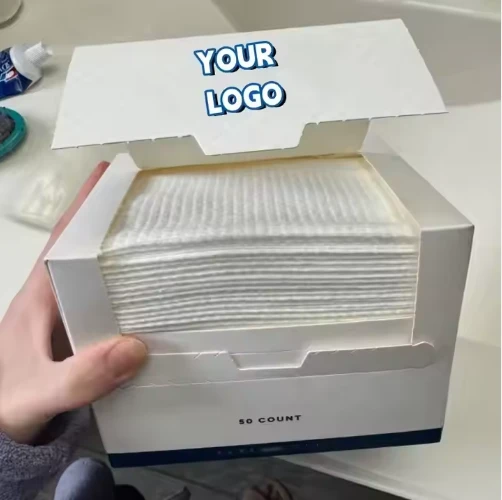
Cutting & Folding/Interfolding: Precisely cutting the fabric into individual towel dimensions and, if required, folding them (e.g., Z-fold, C-fold) for specific dispensing formats (like pop-up boxes).
Packaging: Inserting the towels into their primary packaging (e.g., plastic film wrappers, boxes) and then into master cartons. This is often done in a clean environment to minimize contamination.
Key Considerations for Buyers Engaging with a Wholesale Disposable Face Towel Manufacturer:
Lead Times: These can vary from a few weeks to several months depending on raw material availability, production scheduling, order volume, and customization complexity. Clear communication and forecasting are essential.
Private Label (OEM/ODM) Options: Most large wholesale disposable face towel factories offer extensive private label services. This allows brands to have products manufactured to their exact specifications – including material blend, GSM, towel size, embossing, and custom-printed packaging. This is a crucial service for brands looking to establish a unique market presence. [Explore Our OEM Services Here].
Packaging Standards: Discuss options for primary and secondary packaging. Ensure materials are hygienic, protect the product during transit, and align with your brand's aesthetic and sustainability goals (e.g., options for recyclable or biodegradable packaging materials).
Quality Control Checkpoints: Reputable factories will have multiple QC checks: raw material inspection, in-process monitoring of fabric properties (GSM, thickness), visual inspection during converting, and final product checks before dispatch. Understanding these checkpoints offers peace of mind.
Visiting a prospective wholesale disposable face towel factory (or reviewing a detailed virtual tour/audit report) can be highly beneficial for assessing their capabilities, cleanliness standards, and overall professionalism.

VII. Final Thoughts: Should You Source Disposable Face Towels in Bulk? The Path to Quality and Growth
The journey through the world of disposable facial care culminates in a crucial decision for many beauty brands and distributors: whether to source disposable face towels in bulk and from whom. The evidence strongly suggests that for businesses aiming to deliver superior hygiene, gentle efficacy, and a premium user experience, high-quality single-use face towels are no longer a niche item but a rapidly growing category.
Key Takeaways on Performance and Quality:
- Hygiene is King: The primary driver for disposable face towels is the unparalleled hygiene they offer, preventing the bacterial buildup common in reusable cloths.
- Material Matters: Spunlace nonwoven fabric, often a carefully calibrated blend of polyester and viscose, provides the optimal balance of softness, strength, and absorbency for both disposable face wash cloths and disposable face drying towels.
- Gentle Efficacy: These towels are designed to cleanse and dry effectively while minimizing skin friction and irritation.
- Verification is Vital: Sourcing from a disposable face towels wholesaler requires due diligence. Prioritize suppliers who offer transparency in material sourcing, robust quality control, and verifiable certifications (like OEKO-TEX®).
When to Choose Custom OEM Production vs. Off-the-Shelf:
- Off-the-Shelf: Suitable for businesses testing the market, needing smaller quantities quickly, or if standard specifications meet their needs.
- Custom OEM Production: Ideal for established brands seeking product differentiation, specific performance characteristics (unique blends, GSM, embossing), custom packaging, or a proprietary formulation (if wipes are pre-moistened). This route offers the greatest control and ability to build a unique brand identity but typically involves higher MOQs and longer lead times. Partnering with a flexible wholesale disposable face towel manufacturer is key here.
Future Trends: The market for disposable face towels is dynamic. Expect to see continued innovation in:
- Biodegradable and Sustainable Alternatives: Increased demand for materials like bamboo-viscose, 100% viscose from certified sustainable sources, or even new bio-based polymers that offer robust performance with a lighter environmental footprint. Savvy disposable face towels wholesalers are already expanding their offerings in this direction.
- Waterless Formulations & Dry Wipes: Growing interest in "activate with water" dry wipes, reducing preservative needs and shipping weight.
- Specialized Textures and Infusions: More sophisticated embossing and potentially dry infusions of beneficial ingredients.
Ultimately, partnering with the right disposable face towels wholesaler or wholesale disposable face towel factory is about more than just a transaction; it's about forging a relationship with a supplier who understands your brand's vision, quality expectations, and the evolving needs of your customers. It's an investment in consistency, innovation, and the long-term success of your skincare offerings.
To discover how our range of disposable face towels can elevate your brand, View Our Full Product Catalog or Contact Us for a Custom OEM Consultation .