

Hey there! I'm a supplier of raw materials, and I've seen firsthand how raw material waste can be a real pain in the neck for businesses. It not only hits your bottom line but also has a negative impact on the environment. In this blog, I'll share some practical tips on how to deal with raw material waste, based on my experience in the industry.

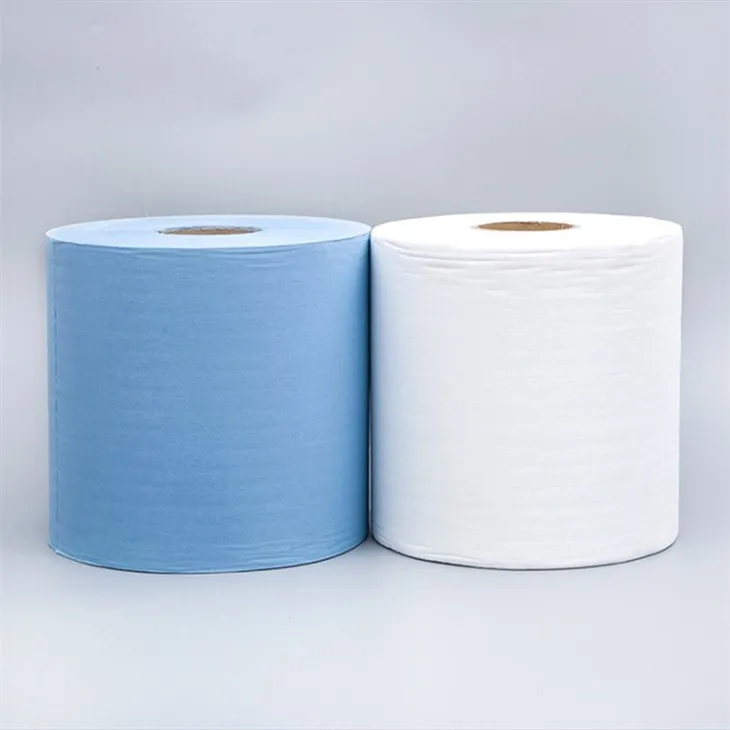
Understanding the Root Causes of Raw Material Waste
Before we jump into solutions, it's essential to understand why raw material waste happens in the first place. There are several common reasons that I've come across in my line of work:
- Inaccurate Forecasting: When you don't accurately predict the demand for your products, you might end up ordering too much raw material. This extra inventory can sit on your shelves and eventually become waste.
- Poor Inventory Management: Without proper inventory control, it's easy to lose track of how much raw material you have on hand. This can lead to over - ordering or using expired materials, resulting in waste.
- Production Inefficiencies: Inefficient production processes can cause a significant amount of raw material waste. For example, if your machinery isn't calibrated correctly, it might use more material than necessary.
- Defective Products: Products that fail quality control tests often end up being discarded, taking the raw materials used in their production with them.
Strategies to Minimize Raw Material Waste
Now that we've identified the causes, let's talk about how to tackle this issue head - on.
Improve Forecasting
- Historical Data Analysis: Look at your past sales data to identify trends and patterns. This will give you a better idea of how much raw material you'll need in the future. You can use simple spreadsheet software to analyze this data and make more informed decisions.
- Market Research: Keep an eye on industry trends and market conditions. Changes in consumer preferences or economic factors can impact demand for your products. By staying informed, you can adjust your raw material orders accordingly.
Optimize Inventory Management
- Use Inventory Management Software: There are many affordable inventory management tools available that can help you keep track of your raw material stock levels. These tools can send you alerts when it's time to reorder and even help you identify slow - moving items.
- Implement a First - In, First - Out (FIFO) System: This ensures that older raw materials are used first, reducing the risk of spoilage or expiration. Label your inventory clearly and train your staff to follow the FIFO principle.
Enhance Production Efficiency
- Regular Maintenance of Machinery: Make sure your production equipment is in top - notch condition. Regular maintenance can prevent breakdowns and ensure that your machines are using the right amount of raw material.
- Process Optimization: Analyze your production processes to identify areas where you can reduce waste. For example, you could look for ways to reuse scrap materials or modify your production methods to be more material - efficient.
Reduce Defective Products
- Quality Control Checks: Implement strict quality control measures at every stage of the production process. This will help you catch any issues early on and prevent defective products from being produced in large quantities.
- Employee Training: Ensure that your employees are well - trained on how to handle raw materials and operate the production equipment properly. Well - trained staff are less likely to make mistakes that can lead to defective products.
Recycling and Reusing Raw Materials
In addition to minimizing waste at the source, recycling and reusing raw materials can also be an effective way to deal with waste.
- Internal Recycling Programs: Set up a system within your company to recycle scrap materials. For example, if you're working with metal, you can melt down scrap pieces and reuse them in your production process.
- External Recycling Partners: Partner with local recycling companies that specialize in your type of raw material. They can take your waste materials and turn them into something useful again.
Choosing the Right Raw Materials
When it comes to dealing with waste, choosing the right raw materials can make a big difference. At our company, we offer a variety of high - quality raw materials that are more sustainable and less likely to result in waste.
- Japanese Nonwoven Wipe: These wipes are made from high - quality viscose nonwoven materials. They are durable and can be used multiple times, reducing the amount of waste generated compared to single - use wipes.
- Cellulose Polyester Blend Industrial Cleaning Wipers: This blend of cellulose and polyester makes these wipers strong and absorbent. They are ideal for industrial cleaning applications and can be recycled at the end of their life cycle.
- Spunlace Nonwoven Material Hospital Wipes: In a hospital setting, hygiene is crucial. These wipes are made with spunlace nonwoven material that is soft, strong, and easy to clean. They can be reused after proper sterilization, minimizing waste.
Conclusion and Call to Action
Dealing with raw material waste is not only beneficial for your business's financial health but also for the environment. By implementing the strategies I've shared in this blog, you can reduce waste, save money, and make your operations more sustainable.
If you're interested in learning more about our high - quality raw materials or have any questions about waste management, we'd love to hear from you. Feel free to reach out to us for a consultation and let's start working together to minimize raw material waste in your business.
References
- "Lean Manufacturing for Dummies" by Bruce Williams
- "Sustainable Materials Management: The Basics" by the United States Environmental Protection Agency
- Industry reports on raw material management and waste reduction