

Microfiber nonwoven wipes and non-woven fabric towels are both widely used in various cleaning applications, but they have distinct characteristics that set them apart. As a supplier of microfiber nonwoven wipes, I am well - versed in the features and benefits of our products and how they stack up against non - woven fabric towels. In this blog, we will delve into a detailed comparison of these two cleaning essentials.
1. Material Composition
Microfiber nonwoven wipes are made from an extremely fine synthetic fiber, typically a blend of polyester and polyamide. These fibers are much thinner than a human hair, creating a large surface area. This fine structure allows the wipes to trap dirt, dust, and microbes in the tiny gaps between the fibers. For example, the Electrostatically Treated Microfiber Wipes can attract and hold onto micro - particles with great efficiency due to their unique fiber arrangement.
On the other hand, non - woven fabric towels are usually made from a variety of natural or synthetic fibers such as cotton, rayon, or polypropylene. They are formed by bonding or interlocking the fibers together without the need for weaving. Cotton - based non - woven fabric towels have a soft texture and are often used in applications where a gentle touch is required.
2. Cleaning Performance
When it comes to cleaning performance, microfiber nonwoven wipes have a significant edge. Their high - density microfibers can absorb and hold large amounts of liquid, up to seven times their own weight. This makes them excellent for mopping up spills quickly and efficiently. For instance, in a laboratory setting where spills of various chemicals may occur, microfiber nonwoven wipes can be used to safely and effectively clean up the mess.
In terms of dust and dirt removal, the fine fibers of microfiber wipes can reach into small crevices and pick up even the smallest particles. The wipes can be used dry for dusting, where the static charge generated by the microfibers attracts dust, or wet for more heavy - duty cleaning. Non - woven fabric towels, while also capable of cleaning, may not be as effective in capturing fine particles. Their larger fiber structure may leave behind some dust or debris, especially in hard - to - reach areas.
3. Durability and Reusability
Microfiber nonwoven wipes are generally more durable than non - woven fabric towels. The synthetic fibers used in microfiber wipes are resistant to wear and tear, and they can withstand multiple washings without losing their cleaning ability. However, it's important to note that proper care is needed. For example, using fabric softeners when washing microfiber wipes can reduce their effectiveness as the softeners can coat the fibers and prevent them from trapping dirt.
Non - woven fabric towels, especially those made from natural fibers like cotton, can be less durable. They may fray or tear more easily, especially when used for heavy - duty tasks. While they can also be reused, their lifespan may be shorter compared to microfiber nonwoven wipes.
4. Cost - effectiveness
The initial cost of microfiber nonwoven wipes may be higher than that of non - woven fabric towels. However, considering their durability and reusability, they can be more cost - effective in the long run. Since they can be used multiple times, the cost per use is often lower. Additionally, their superior cleaning performance means that less time and effort are required for cleaning tasks, which can also translate into cost savings.
Non - woven fabric towels are generally more affordable upfront, but if they need to be replaced more frequently due to wear and tear, the overall cost may add up over time.
5. Applications
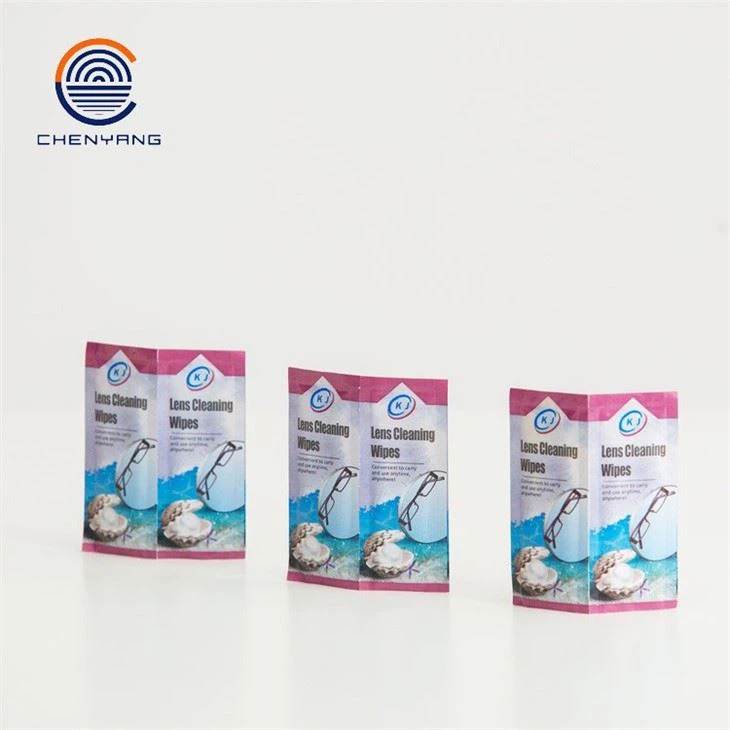
Microfiber nonwoven wipes have a wide range of applications. In the electronics industry, they are highly sought after. For example, the Easy Taken Disposable Lens and Lens Wipe made from microfiber can safely clean delicate lenses without scratching them. The Camera Lens Wipes are specifically designed to remove smudges and fingerprints from camera lenses, providing a clear view.
Non - woven fabric towels are commonly used in household cleaning, such as wiping countertops and dusting furniture. They are also used in the food service industry for tasks like wiping tables and cleaning up spills.
6. Environmental Impact
From an environmental perspective, microfiber nonwoven wipes can be more sustainable if they are reused multiple times. However, the production of synthetic microfibers may have a certain environmental footprint, as it involves the use of petrochemicals. Recycling options for microfiber wipes are also limited.
Non - woven fabric towels made from natural fibers like cotton are more biodegradable. But the production of cotton requires significant amounts of water and pesticides, which can have an impact on the environment.
Conclusion
In summary, microfiber nonwoven wipes offer superior cleaning performance, better durability, and long - term cost - effectiveness compared to non - woven fabric towels. While non - woven fabric towels have their place in simple and gentle cleaning tasks, microfiber wipes are a better choice for heavy - duty, precision cleaning applications, especially in industries like electronics.
If you are looking for high - quality microfiber nonwoven wipes for your business or personal use, we are here to help. We offer a wide range of products that meet different cleaning needs. Contact us to start a discussion about your requirements and explore how our microfiber nonwoven wipes can improve your cleaning processes.
References
- "Microfiber Technology and Its Applications in Cleaning", Journal of Cleaning Science
- "Non - Woven Fabric Materials: Properties and Applications", Textile Research Journal
- Industry reports on the cleaning product market